
Cædmon
Earliest named English poet, inspired by a dream.

Wikimedia Commons · Public domain
Cædmon (fl. c. He was a Northumbrian cowherd who cared for the animals at the double monastery of Streonæshalch (now known as Whitby Abbey) during the abbacy of Hilda. According to the 8th-century Christian historian Bede, Cædmon was originally ignorant of 'the art of song' but learned to compose one night in the course of a dream. He is venerated as a saint in the Eastern Orthodox Church, Catholic Church and Anglicanism, with a feast day on 11 February.
- field
- Poetry, monastic life
- nationality
- Northumbrian
- known_for
- Cædmon's Hymn, earliest named English poet
- venerated
- Eastern Orthodox Church, Catholic Church, Anglicanism
Lore & Background
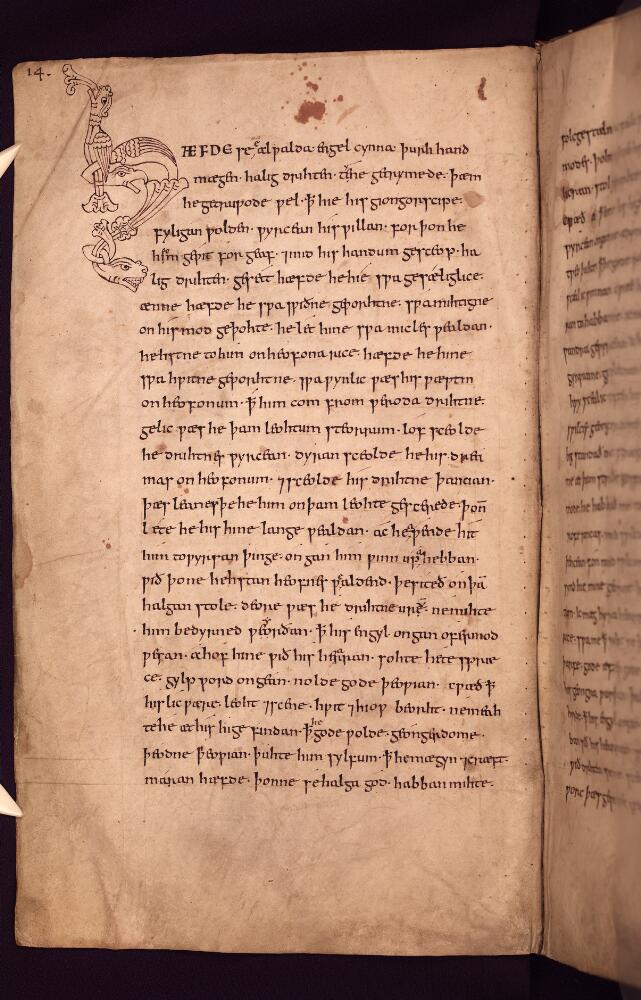
Cædmon was a lay brother who cared for the animals at the monastery Streonæshalch (Whitby Abbey). According to Bede's Historia ecclesiastica, one evening while the monks were feasting and singing, Cædmon left early to sleep with the animals because he knew no songs. While asleep, he had a dream in which 'someone' approached him and asked him to sing 'the beginning of created things.' After first refusing, Cædmon produced a short eulogistic poem praising God, the Creator of heaven and earth. Upon awakening, he remembered everything and added additional lines. He told his foreman, who took him to the abbess Hilda. Satisfied that his gift was from God, she gave him a new commission for a poem based on sacred history, which he delivered the next morning. He was then invited to take monastic vows, and the abbess ordered scholars to teach him sacred history and doctrine, which he would turn into beautiful verse.
Reader's Guide
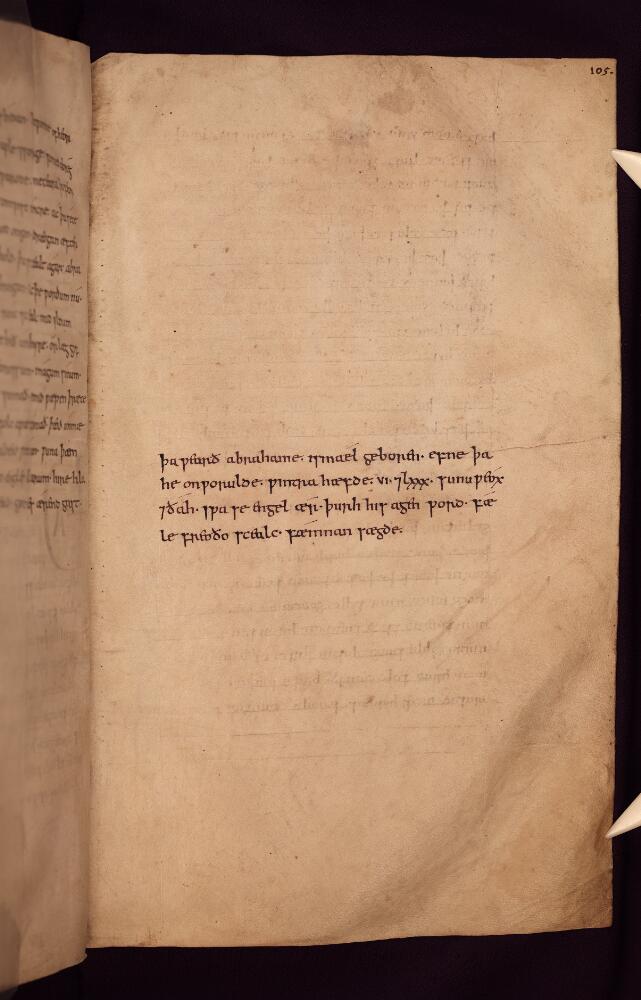
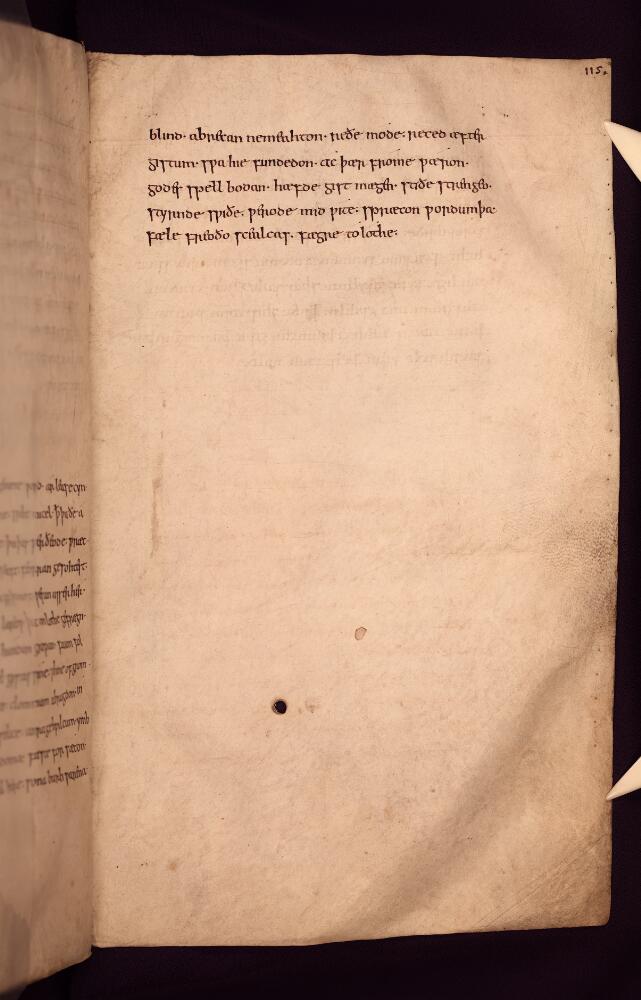
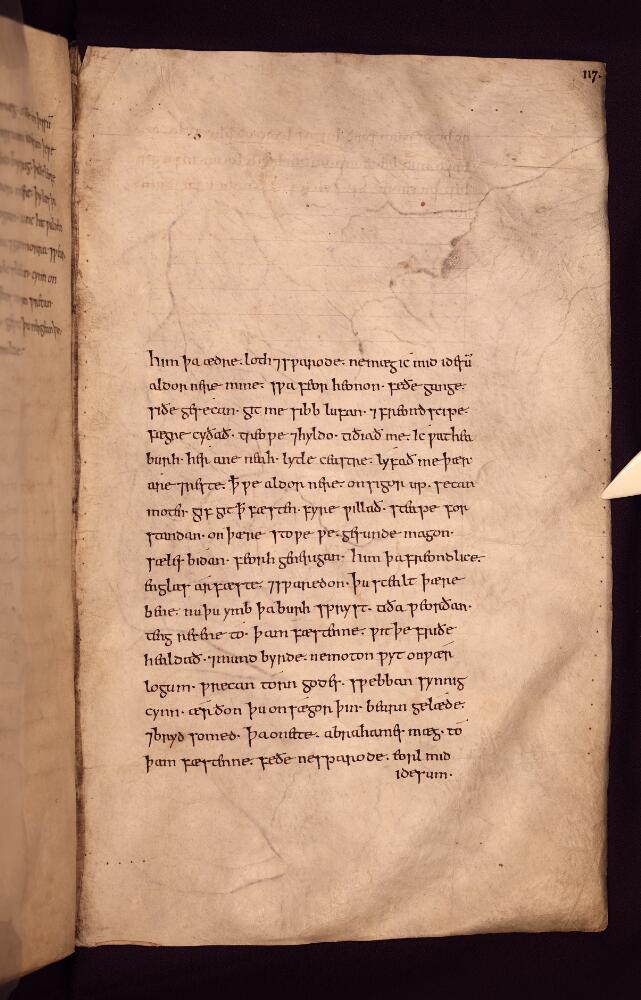
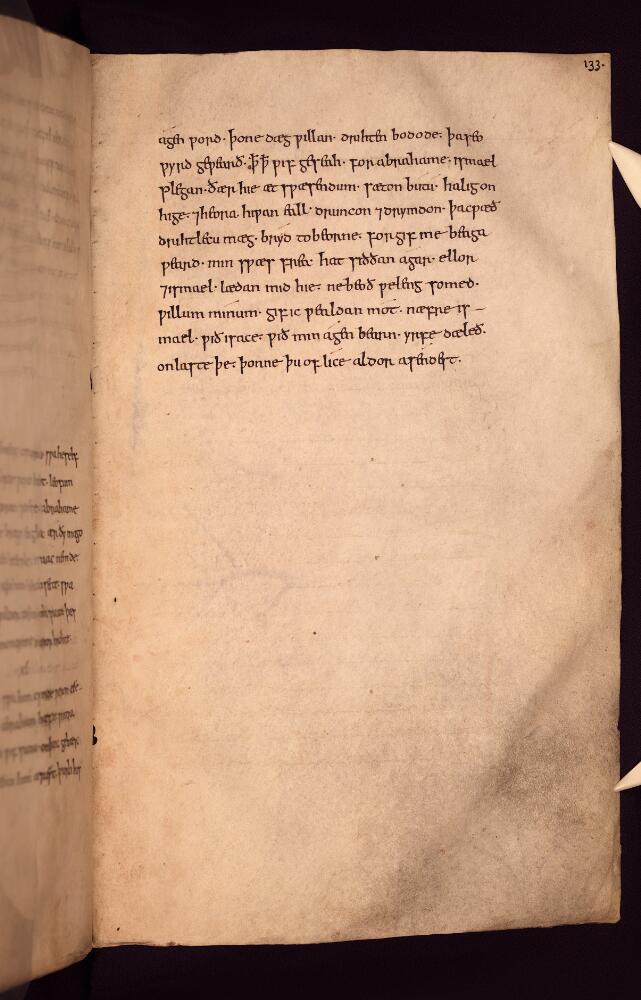
Cædmon's significance rests on his being the earliest English poet known by name and the author of Cædmon's Hymn, a nine-line alliterative vernacular praise poem in honour of God. The poem is one of the early attested examples of Old English and, with the runic Ruthwell Cross and Franks Casket inscriptions, one of three candidates for the earliest attested example of Old English poetry. It is also one of the early recorded examples of sustained poetry in a Germanic language. Bede's account, while not accepted by scholars as entirely accurate in its miraculous details, shows that Bede believed Cædmon to be an important figure in English intellectual and religious life. Cædmon is one of twelve Anglo-Saxon poets identified in medieval sources, and one of three for whom both roughly contemporary biographical information and examples of literary output have survived. His story influenced later texts, including those associated with the Old Saxon Heliand poem.
Did You Know?
- Cædmon's only known surviving work is Cædmon's Hymn, a nine-line alliterative vernacular praise poem.
- His name is of Celtic origin, from Proto-Welsh *Cadṽan (from Brythonic *Catumandos).
- Bede's account is the sole source of original information about Cædmon's life and work.
- Cædmon is venerated as a saint with a feast day on 11 February.
The Dream That Forged a Poet
Cædmon's transformation from a silent cowherd into a celebrated verse-maker is one of the most striking narratives in early English literature. According to Bede, the man who tended the animals at the double monastery of Streonæshalch — the site now identified as Whitby Abbey — possessed no knowledge of how to craft lyrics. One evening, while the monastic community feasted and played the harp, he slipped away to bed among the beasts, uncomfortable in a setting that celebrated song. That night, an unnamed figure in his dream commanded him to sing "the beginning of created things." After an initial refusal, Cædmon produced a brief hymn of praise to the Creator. He awoke with the entire composition vividly in his memory and even appended new lines. Carried before the abbess — widely understood to be Hilda — and her counsellors, he was given a test: compose a poem on a passage of sacred history. By the following morning he had delivered it, and the community, convinced the gift was divine, invited him to take monastic vows. From that point, scholars taught him doctrine, and he rendered each subject into what Bede calls verse of remarkable sweetness.
A Cowherd's Life and a Monk's Death
Before his poetic vocation, Cædmon occupied a humble position within the Northumbrian monastic world. He was a lay brother assigned to care for the livestock at Streonæshalch, the double monastery that bears the modern name Whitby Abbey. His years there overlapped with the abbacy of Hilda, which ran from 657 to 680, placing his active career roughly between 657 and 684. After taking holy orders at what Bede describes as an advanced age, Cædmon devoted himself to composing vernacular poetry on a wide range of Christian subjects. Bede records that his verse moved listeners to scorn worldly attachments and yearn for heaven. His end, as Bede paints it, carried the hallmarks of sanctity: he received a forewarning of his approaching death, was transferred to the abbey's hospice for the dying, gathered his friends close, received the Eucharist, and passed away just before the nocturns prayer. Although Cædmon is frequently listed among the saints and honoured with a feast day on 11 February in the Eastern Orthodox, Catholic, and Anglican traditions, Bede himself never explicitly confirms a formal canonisation, and some scholars have questioned whether the saintly designation is historically warranted.
Nine Lines That Echoed Through Centuries
Of all the poetic works Bede attributes to Cædmon, only a single composition has reached modern readers: Cædmon's Hymn. This nine-line alliterative praise poem, composed in the vernacular to honour God, stands as one of the earliest surviving specimens of Old English literature. Together with the runic inscriptions on the Ruthwell Cross and the Franks Casket, it ranks among the three leading candidates for the oldest attested example of Old English poetry. It also represents one of the first recorded instances of sustained poetic composition in any Germanic language. Cædmon's position in the broader Anglo-Saxon literary tradition is notable: he is one of only twelve poets named in medieval sources, and one of just three for whom both roughly contemporary biographical detail and actual literary output have survived. His memory has been physically preserved as well. In 1898, Cædmon's Cross was erected in the graveyard of St Mary's Church in Whitby, a stone monument linking the medieval poet to the very landscape where, according to tradition, he first sang.
A Name from Another World
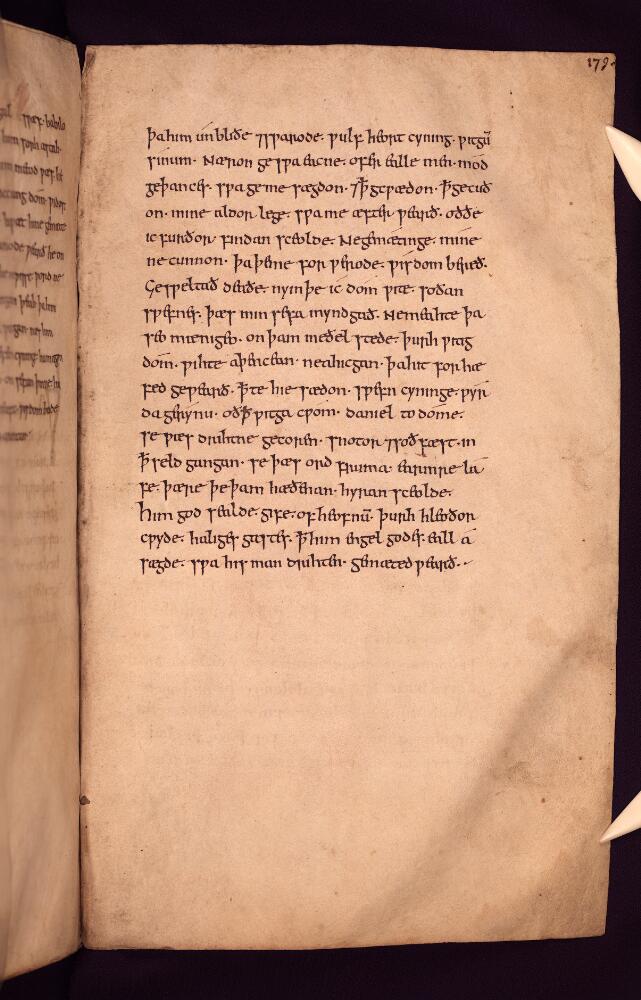
The sole biographical source for Cædmon is Bede's Historia ecclesiastica gentis Anglorum, and no independent medieval account of his life has ever surfaced. The only other English-language reference before the twelfth century is a tenth-century Old English translation of Bede's Latin text, which adds a few minor details absent from the original. Modern scholarship has contributed little beyond confirming what Bede already implied, though one thread of inquiry has generated particular interest: the etymology of the poet's name. Cædmon derives from Proto-Welsh *Cadṽan, itself from Brythonic *Catumandos — a distinctly Celtic root. This is striking because Bede explicitly identifies English as the poet's native tongue. Some researchers have proposed that Cædmon may have been bilingual, pointing to Hilda's close contacts with Celtic political and religious hierarchies and to loose parallels between the Hymn and Old Irish verse. Others have gone further, suggesting the name echoes the Hebrew "Adam Kadmon" and that the entire narrative might be allegorical rather than strictly historical. What scholars do agree on is that, despite the miraculous framing, there is no good reason to doubt that a poet by this name existed and was regarded by Bede as a significant figure in English religious and intellectual life.
Gallery
Frequently Asked Questions
How did Cædmon learn to compose poetry?
Bede's 8th-century narrative tells us that Cædmon had no prior talent for song until a single night when, in a dream, he was prompted to begin making verse. Upon waking he spontaneously sang a hymn that left his fellow monks in awe.
What is Cædmon's Hymn?
Cædmon's Hymn is a brief Old English poem of praise addressed to the Creator, and it is the sole surviving fragment attributed to him. It is widely regarded as one of the earliest known pieces of English-language poetry.
Is Cædmon recognized as a saint?
Yes. He is venerated as a saint in the Eastern Orthodox Church, the Catholic Church, and Anglicanism, with his feast day falling on 11 February.
Why is Cædmon important to the study of early English poetry?
Because he is the first English poet we can name, his story—preserved by Bede—marks the starting point of a written poetic tradition in the English language. His dream-inspired composition also became a foundational legend about divine inspiration in medieval literary culture.
More in Poets Of The Ancient World 1-17
Spotted an error? Know more?
This is a living reference — every entry is fact-audited, and reader corrections feed straight into our audit queue. Suggest an edit · See this site's audit record