
Alcman
Ancient Greek choral lyric poet from Sparta, earliest of the Nine Lyric Poets.

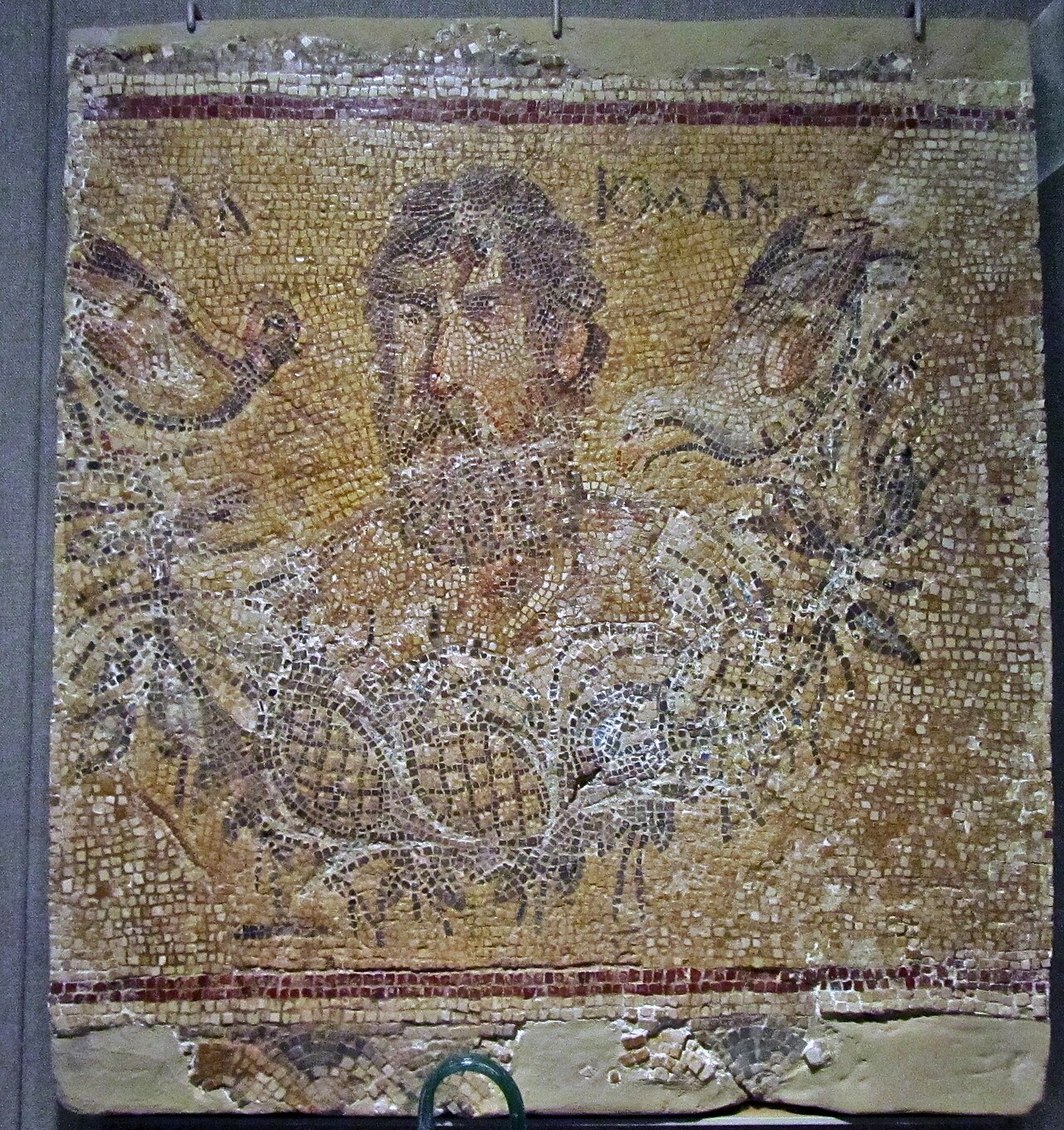
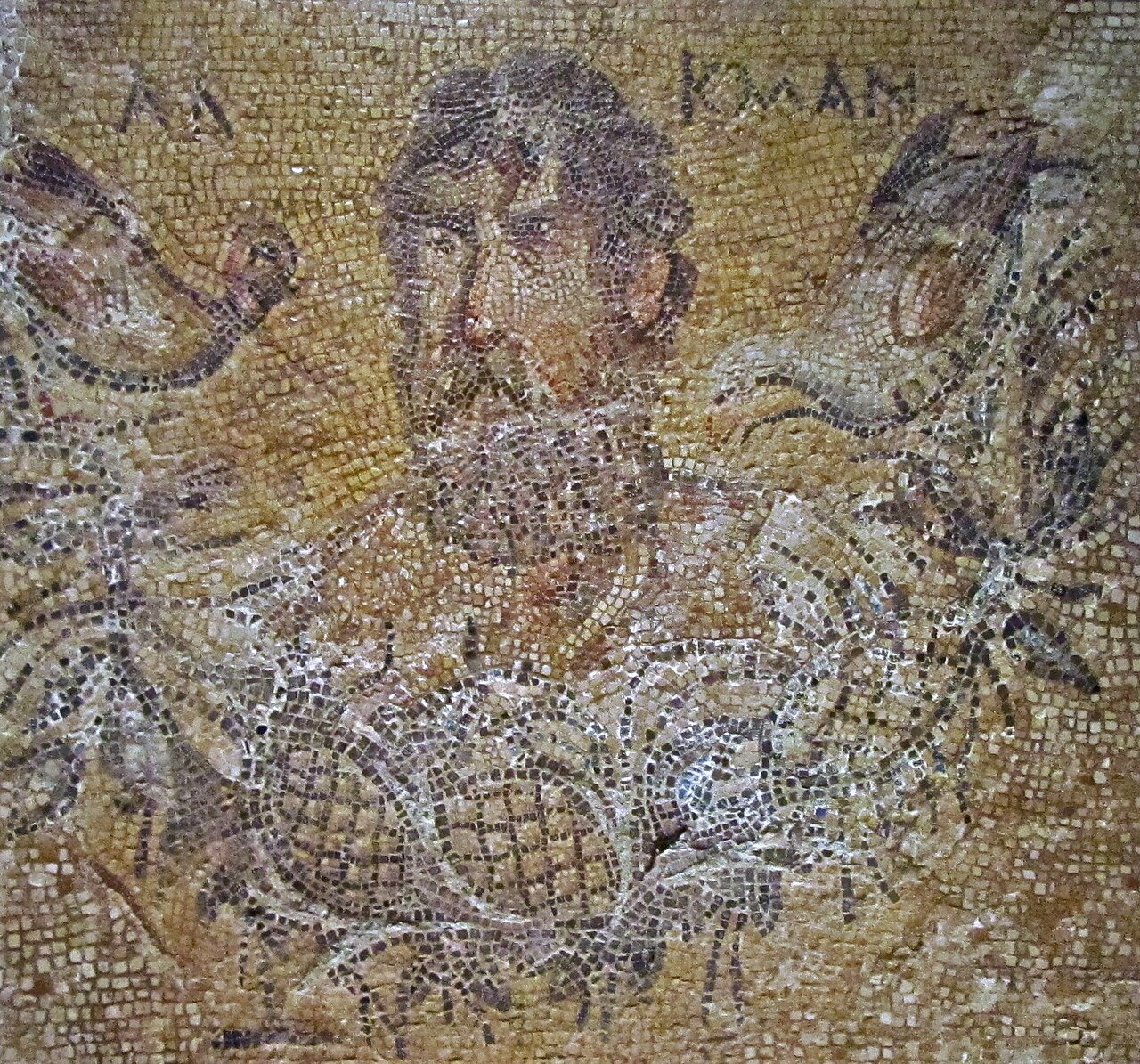
ellenm1 · CC BY 2.0
Alcman was an Ancient Greek choral lyric poet from Sparta, active in the late seventh century BC. He is the earliest representative of the canon of the Nine Lyric Poets, as compiled by Hellenistic scholars, and his poetry, composed in the local Doric dialect with Homeric influences, survives only in fragments from quotations and papyri discovered in Egypt.
- born
- Uncertain; possibly Sardis, Lydia, or Laconian from Messoa
- died
- Uncertain; tradition reports death from phthiriasis, possibly confused with Alcmaeon of Croton
- field
- Choral lyric poetry
- nationality
- Disputed in antiquity; claimed by both Europe and Asia
- known_for
- Earliest of the Nine Lyric Poets; author of partheneia (maiden-songs) and hymns
Lore & Background
He is said to have written six books of lyric poetry, according to the late Suda lexicon, though this number is not universally accepted as established fact. Most of his work is now lost. In the 1960s, many more fragments were published from papyri found at Oxyrhynchus. His poetry was composed in the Doric dialect of Sparta with Homeric influences, and his works were mostly hymns in long stanzas of several different meters.
Reader's Guide
Alcman holds a foundational place in the history of Greek lyric poetry as the earliest representative of the Nine Lyric Poets. His surviving fragments, especially the First Partheneion, provide rare insight into the social, political, and religious life of archaic Sparta, including the role of choruses of unmarried women and the homoerotic elements within initiation rites. The discovery of papyri in Egypt in the 19th and 20th centuries dramatically expanded knowledge of his work, though much remains fragmentary. His dialect, a mix of Laconian Doric with Homeric and Aeolic features, has been a subject of scholarly debate, reflecting the complexity of his origins and transmission. Alcman's poetry influenced later lyric poets and remains a key source for understanding early Greek choral performance and Spartan culture.
Did You Know?
- Alcman's nationality was disputed in antiquity; both Europe and Asia claimed him as their son.
- One tradition, reported by Aristotle, claims Alcman died from a pustulant infestation of lice (phthiriasis), though this may be a confusion with the philosopher Alcmaeon of Croton.
- His poetry was composed in the Doric dialect of Sparta, but ancient grammarians, including Apollonius Dyscolus, described him as 'constantly using the Aeolic dialect.'
Origins & the Mystery of Identity
Alcman flourished in the late seventh century BC, yet nearly every biographical detail about him remains uncertain. His father is variously named Damas or Titarus; his mother's name is unknown. His nationality was hotly debated even in antiquity—some claimed him for Sardis in Lydia, others for the Laconian village of Messoa. Antipater of Thessalonica quipped that poets have "many mothers," with both Europe and Asia staking claims to him. Much of this dispute likely sprang from his own poetry, which is rich with allusions to Lydian and Asian culture. In one fragment a chorus declares its subject was "from lofty Sardis," though no one has settled who that third person refers to. Alcman claimed he learned his craft from "strident partridges," a bird native to Asia Minor rather than Greece. A tradition going back to Aristotle holds that he came to Sparta as a slave in the household of Agesidas and was later freed for his remarkable skill. Aristotle also reported a belief that Alcman perished from a lice infestation, though this may have been a mix-up with the philosopher Alcmaeon of Croton. Pausanias places his burial in Sparta beside the shrine of Helen of Troy.
Loss, Rediscovery & the Papyrus Fragments
Alcman's six books of choral poetry, encompassing roughly fifty to sixty hymns, vanished at the threshold of the Middle Ages. For nearly two millennia his voice reached later readers only through scattered quotations in other Greek authors and a handful of fragmentary papyri. That changed in 1855, when the French scholar Auguste Mariette uncovered a papyrus in a tomb near the second pyramid at Saqqara in Egypt. The fragment, now held in the Louvre in Paris, preserves approximately one hundred verses of a partheneion—a song performed by a chorus of young unmarried women. The find reignited scholarly interest in the poet. In the 1960s a second wave of fragments surfaced from the Oxyrhynchus collection, excavated from an ancient refuse dump in Egypt. Most of these additional pieces contain further partheneia, though other kinds of hymns are also represented. Together, these papyri and the earlier literary quotations make up the entirety of Alcman's surviving output, offering tantalizing glimpses into a poetic tradition that once filled six complete volumes.
Dialect, Meter & Poetic Craft
Alcman composed in the Doric dialect of Sparta, known as the Laconian dialect, yet his language is far from uniform. Pausanias remarked that despite Doric's reputation for lacking natural beauty, it did nothing to spoil the splendor of his songs. The fragments display characteristic orthographic features—alpha for eta, omega for ou, eta for ei, sigma for theta—along with Doric accentuation, though scholars debate whether these markings reflect Alcman's own hand or were layered on by later Laconian performers or Alexandrian editors. Apollonius Dyscolus called him a constant user of the Aeolic dialect, a judgment based largely on his use of the digamma in the third-person pronoun, a feature equally Doric. More significantly, many fragments carry prosodic, morphological, and phraseological echoes of Homeric epic, including Aeolic and un-Doric forms absent even from Homer itself. The British philologist Denys Page concluded that the extant dialect is fundamentally Laconian, with epic features appearing sporadically and especially where meter or theme draw on epic models. Metrically, Alcman favored strophic structures combining different meters into long repeating stanzas, with the dactylic tetrameter a particularly popular choice.
Maiden-Songs & the Question of Content
The surviving fragments suggest that Alcman's poetry centered on hymns, partheneia (maiden-songs), and prooimia (preludes to epic recitations), though much of what remains consists of difficult-to-categorize scraps. The single most important fragment is the First Partheneion, or Louvre-Partheneion, discovered by Mariette at Saqqara. It runs to one hundred and one lines, more than thirty of which are severely damaged, making full interpretation a persistent challenge. The song was performed by a chorus of young unmarried women, and its content reflects the social world of Spartan maidens. Alcman's poetry also contains numerous references to Lydian and Asian culture, which some scholars read as evidence of his personal origins, while others see them as a literary device to present the choruses' girls as fashionable and cosmopolitan. In one striking image, Alcman claims he learned his art from "strident partridges," a bird found in Asia Minor but not naturally in Greece. Ancient scholars latched onto one particular song in which a chorus identifies its subject as neither rustic, clumsy, Thessalian, nor a shepherd, but "from lofty Sardis"—a line that fueled centuries of debate about the poet's true homeland.
Gallery
Frequently Asked Questions
Who is Alcman?
Alcman was a choral lyric poet working in Sparta during the late seventh century BC, and he holds the distinction of being the earliest voice in the Nine Lyric Poets canon assembled by Hellenistic scholars. His exact birthplace and lifespan remain uncertain, with ancient sources splitting claims between European and Asian regions.
What kind of poetry did Alcman write?
He is celebrated for composing partheneia—songs celebrating maidens—as well as hymns, all set in the local Doric dialect with clear Homeric echoes. His verse was crafted for choral performance rather than solo recitation.
Where was Alcman born?
His origins were genuinely contested in antiquity, with some traditions pointing to Sardis in Lydia, others to Laconia, and still others to a place called Messoa. The dispute over his homeland was so persistent that both the European and Asian sides of the Aegean world claimed him as their own.
How much of Alcman's work survives?
Not a single complete poem remains; everything we possess comes from scattered fragments quoted by later writers and from papyri excavated in Egypt. This means the full scope and structure of his poetic output are largely irrecoverable.
How did Alcman die?
Ancient tradition attributes his death to phthiriasis, a parasitic skin ailment, though some modern scholars suspect the story may have been mistakenly blended with a different figure, Alcmaeon of Croton. No firm date for his death has ever been established.
More in Poets Of The Ancient World 1-17
Spotted an error? Know more?
This is a living reference — every entry is fact-audited, and reader corrections feed straight into our audit queue. Suggest an edit · See this site's audit record